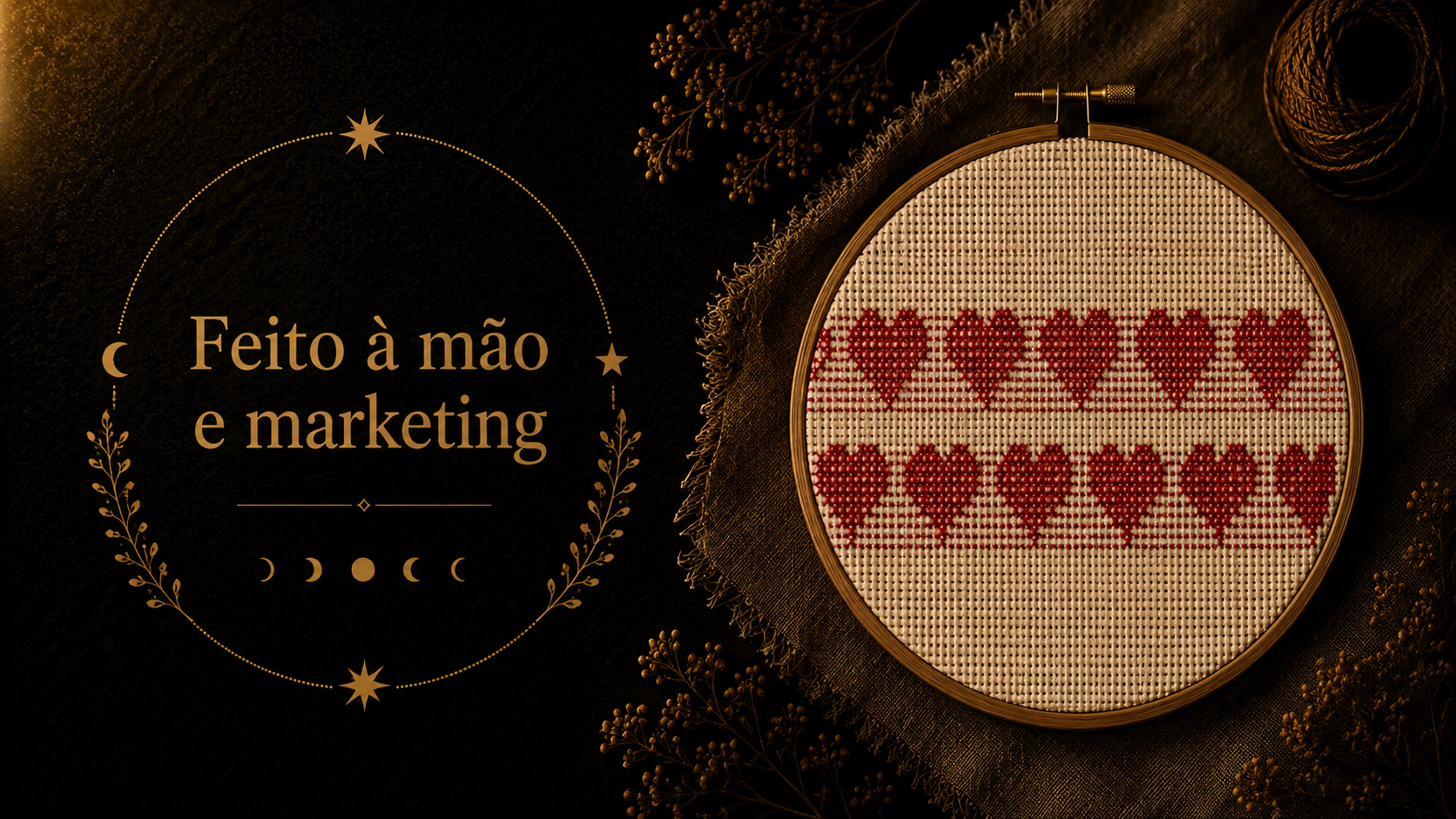
Sometimes, a piece of news goes beyond the field of consumption and forces us to reflect on memory, culture, and labor.
That was what happened when I read the reports about the Adidas collection produced with artisans from Naupan, Mexico. The campaign presented the pieces as the result of valuing traditional techniques and Indigenous manual labor. At first glance, it seemed like an inspiring story.
But as journalists and researchers delved deeper into the investigation, important questions emerged.
According to the reports, artisans from the community participated in the production of the pieces receiving low pay compared to the final retail price of the shirts. Furthermore, experts pointed out that many of the stitches used belonged to contemporary embroidery techniques and did not correspond to Naupan’s characteristic textile tradition, known for its work in pepenado (counted thread). The result was a collection that evoked the community’s identity without necessarily representing its traditional artisanal practice.
This detail completely changes the discussion.
The problem is not only about compensation. It is also about the way the narrative was constructed.
When an artisanal technique is used merely as a marketing element, there is a risk of transforming a living tradition into an aesthetic resource disconnected from its history, its meanings, and the people who sustain it.
Researcher Tatiana Bernaldez, who has studied the region’s embroidery for years, used a very strong expression to reflect on this process: symbolic epistemicide. The idea is not that knowledge disappears overnight, but that it can be gradually rendered invisible when its origin ceases to be recognized and its complexity is reduced to a commercial narrative.
This reflection goes beyond the specific case of Adidas.
It makes us think about the value of manual labor in different contexts.
Embroidery was never just a technique.
It transmits knowledge between generations, preserves ways of making, records identities, and keeps collective memories alive. Each stitch carries a learning time that cannot be measured only by the hours needed to execute a piece.
When a community embroiders, it produces not only objects.
It produces continuity. That is why the discussion about handicrafts cannot be reduced to the price of a piece.
There is an important difference between buying an artisanal product and merely consuming the aesthetic of the artisanal. In the first case, we recognize the work, the authorship, and the tradition of those who produce it. In the second, we consume only an appearance of authenticity.
As a researcher interested in the relationships between embroidery, memory, and heritage, this episode made me think about something larger: how do we protect traditional knowledge when it begins to circulate in global markets?
There is no simple answer.
Partnerships between large companies and artisan communities can generate important opportunities when there is dialogue, recognition of authorship, fair compensation, and respect for the techniques and cultural contexts involved.
But these relationships also require care so that tradition is not reduced to a decorative element of advertising campaigns.
Perhaps that is the main question this news leaves us with.
When we admire handmade work, are we looking only at the object, or can we also see the history, the knowledge, and the people who made that work possible?
Because embroidery is never just thread on fabric.
It is also memory, time, and continuity.
- Original report – the first news (Proceso, 05/17/2026): “Denuncian abuso laboral y atropello a la cultura indígena en colección de Adidas” — with full testimony from Tatiana Bernaldez (Here)
- El Mexicano (05/17/2026): “Acusan a Adidas de desvirtuar bordado indígena y pagar 36 pesos por hora” — includes a statement from the Undersecretary of Culture (Here)
- El Universal Puebla (05/16/2026): “Denuncian presunto engaño de Adidas a artesanas de Puebla” — summary of the controversy (Here)
- Eje Central (05/20/2026): “Acusan a Adidas de cometer abuso laboral contra artesanas” — details 8-hour workdays (Here)
- Second Proceso report (05/19/2026): “Tras polémica con Adidas, Secretaría de Cultura llama a artesanos a buscar capacitación” — government statement (Here)
- News from Dec 2025 (historical context): “La playera del Tri 2026: nostalgia, símbolos prehispánicos y un permiso del INAH” — shows that Adidas knew how to do proper licensing when it wanted to (paid 41,000 pesos to INAH for the reproduction of the Sun Stone) (Here)
- Republishing of the news by Metrópoles (06/04/2026 – today in real time): Adidas é acusada de exploração indígena em uniforme do México (Here)
Leave a Reply